Every course platform publishes a completion rate, and every one of them is selling you something. I said I would publish my own instead. Then I opened my database and found that I cannot.
What I promised, and what I found
I have nine published courses and more than 5,000 students. My site records who bought what. It records nothing about who watched what.
There is no lesson table. There is no progress table. A course here is delivered by enrolment, and the player never reports anything back to me.
So the honest headline number does not exist yet. I cannot show you the lesson where my students quit. I can only tell you why I believed it was chapter four.
The number nobody selling a course will show you
The best public dataset is still Katy Jordan's, published in IRRODL in 2015. She looked at 221 courses. Completion ran from 0.7 per cent to 52.1 per cent, with a median of 12.6.
Two of her findings matter more than that median. Longer courses completed worse. Courses graded automatically completed better.
Her third finding broke my assumption. Weeks one and two are where engagement is won or lost. After that, the share of active students flattens out.
That is not chapter four. That is chapter one.
My catalogue sits on the wrong side of her first finding
Here is what I could measure, because it is all in my own tables:
- 9 published courses
- 159 hours of video
- 60 chapters
- 52 practical projects
Divide the first two numbers. The average chapter I sell runs 2 hours and 39 minutes. That is longer than most people sit down for.
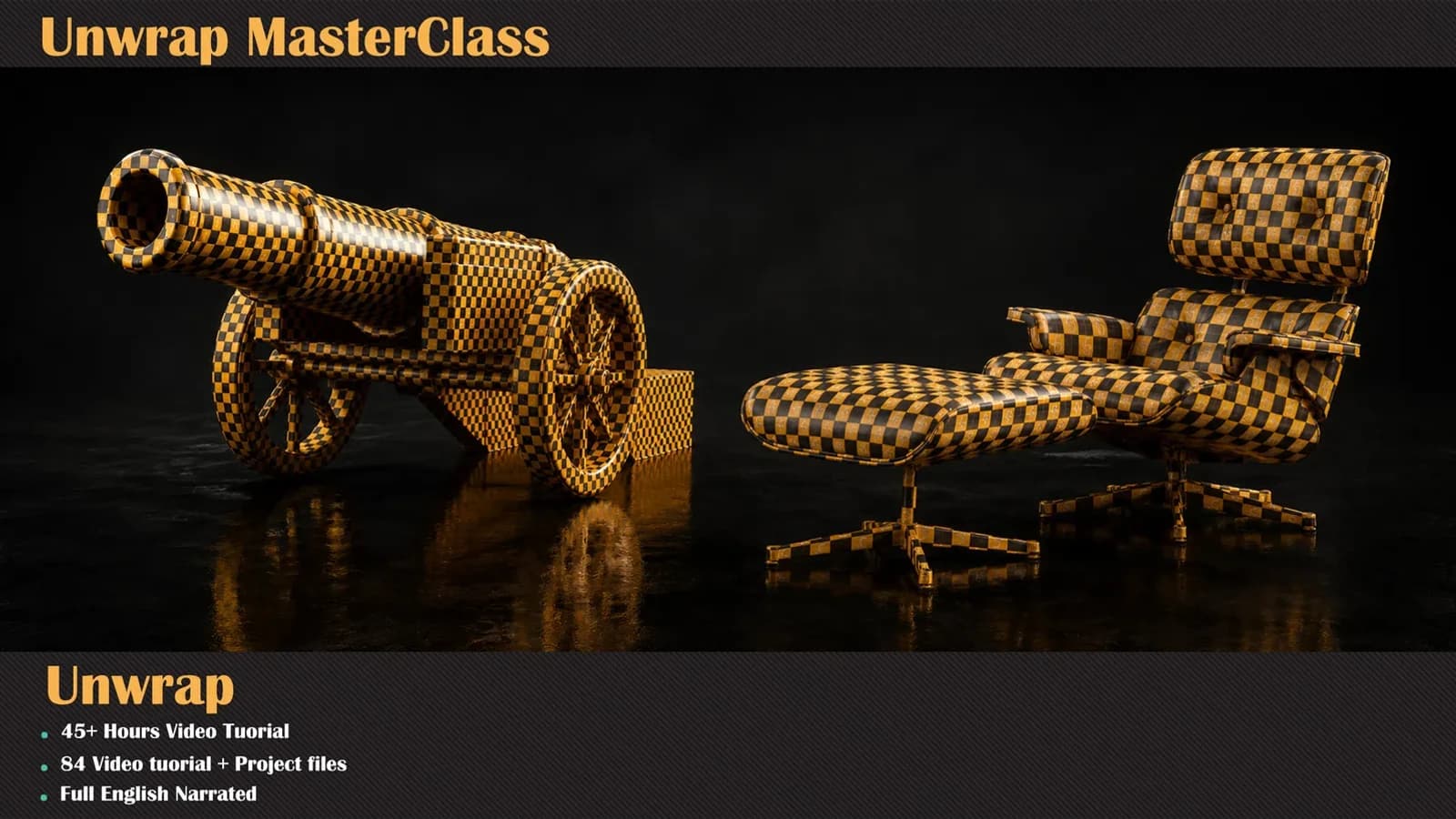
The unwrap master class is the extreme case. It is 50 hours in 6 chapters, so more than 8 hours per chapter. If Jordan is right about length, my proudest course is also my most abandoned one.
Why I thought chapter four
Seven of my nine courses have a fourth chapter. The other two are too short to have one. In all seven, chapter four is where the support disappears.
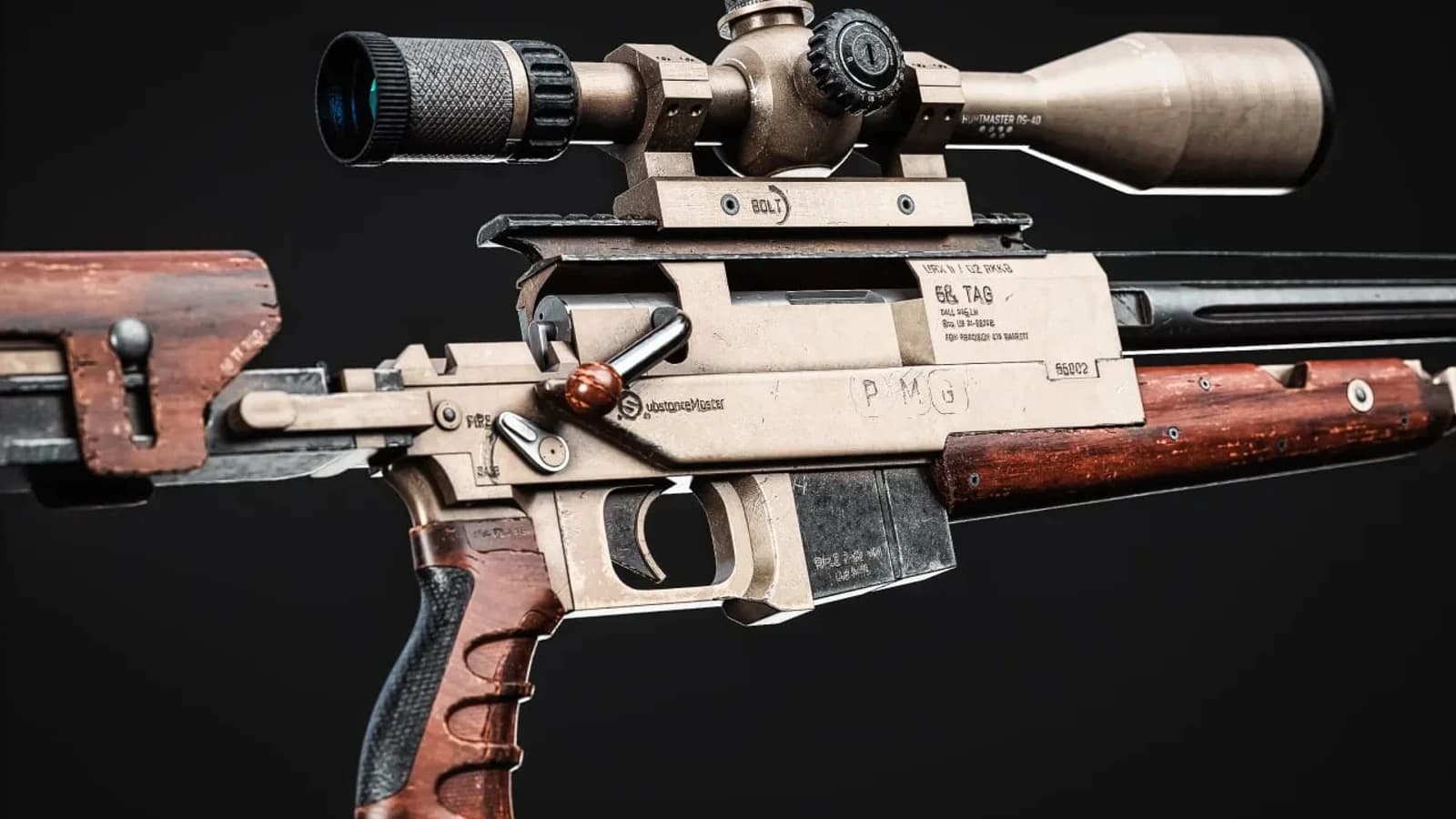
Take the Substance Painter master course. Chapter four is the Military Hat project. Chapter three walks you through a steel pot step by step, and chapter four is where you find out what you kept.
But I got that from support emails, not from data. It is a guess wearing the clothes of a fact. That is the exact thing this blog exists to refuse, and I nearly published it.
Three numbers I will not repeat
Search for course completion rates and the same three figures come back:
- paid courses finish at 60 per cent
- cohort courses finish at 72 per cent
- a $29 price makes you six times more likely to finish
I followed all three. Every trail ends at a course platform's marketing page. Not one ends at a study, so do not quote them, including back at me.
What does help, with a real effect size
Rowland's 2014 meta-analysis in Psychological Bulletin pooled 159 effect sizes. Testing yourself beat re-reading, at g = 0.50. The effect grew on more complex material, and grew again when feedback followed the test.
Read that as a design rule for courses. Watching me unwrap a mesh is re-reading. Unwrapping it yourself and then opening my file is testing with feedback.
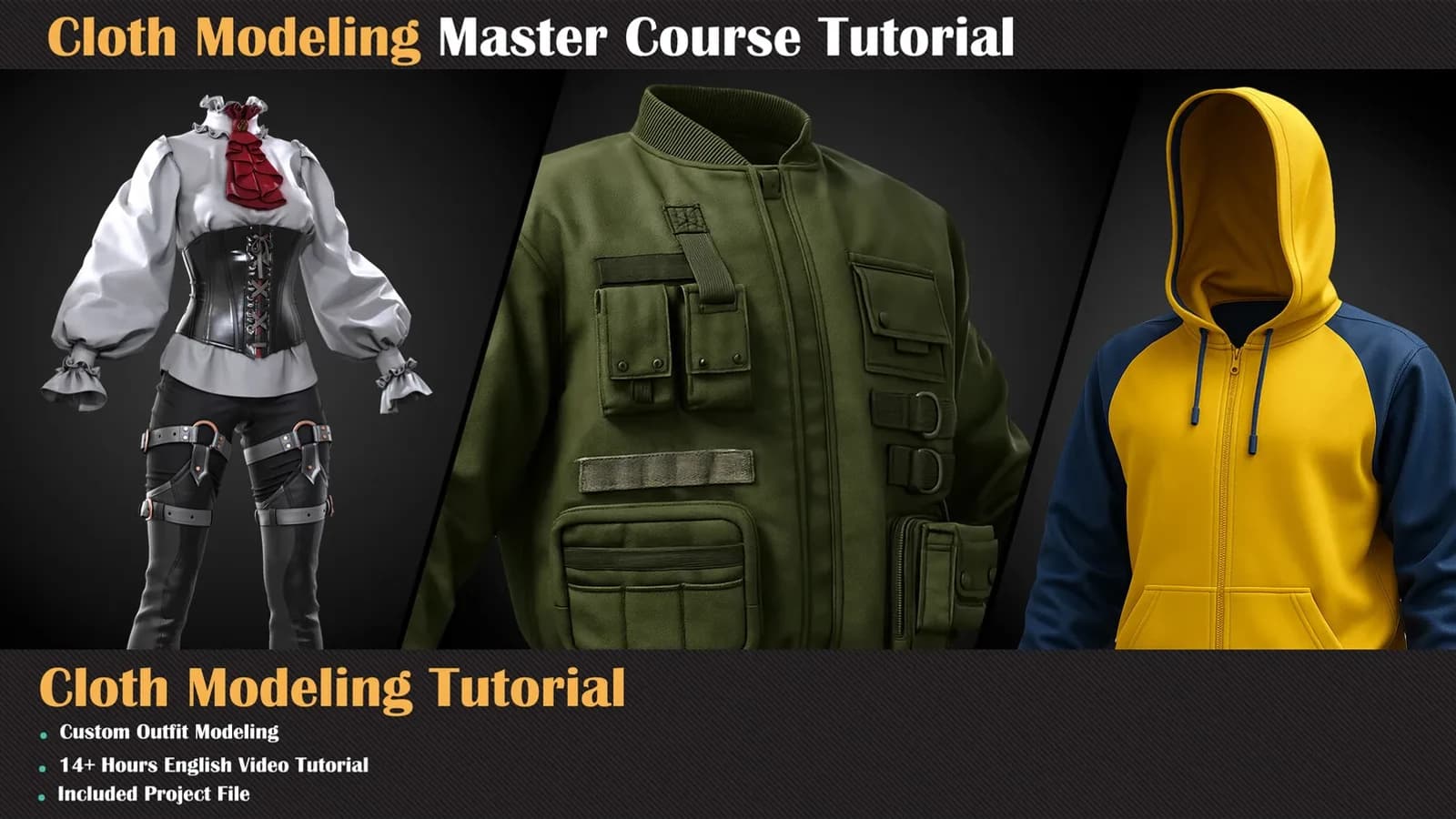
It is why every course here ships project files. It is also why the cloth modeling course is 11 garments you build, and not a lecture about garments.
What I am changing
I argued against my own product once before, in the piece on 4K textures. This is the second time.
Three things went on my list this week:
- Record progress per lesson, per student, with a date.
- Publish that drop-off next year, including the lesson that loses the most people.
- Split every chapter that runs past two hours.
The third costs me nothing but editing time. The first should have existed since my first course.
What to do tonight
If you own a course you never finished, do not start it again from lesson one. Open the project files and rebuild the last thing you watched, with the video closed.
Then go back one chapter. The place you stopped understanding is usually one chapter before the place you stopped watching.
I will have a real number for you next year. Until then, treat every completion rate you read as an advert, mine included.