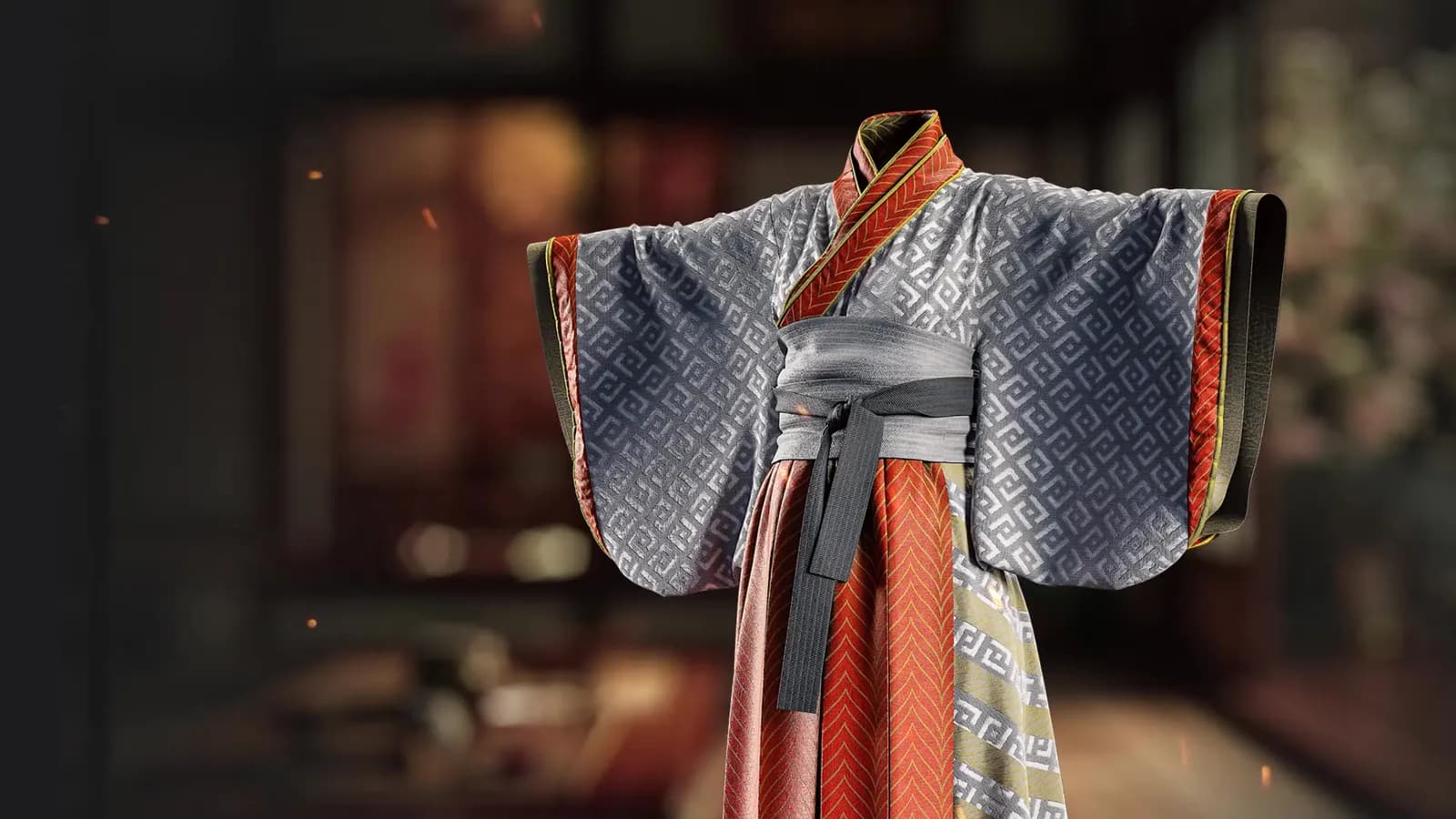
Digital Garment Collection
Eleven garments built pattern-first in Marvelous Designer, from a clean T-shirt through to a tactical bomber.
A full wardrobe produced as a single coherent collection: consistent seam logic, consistent fabric weights, and every piece shaped to survive retopology for real-time use.
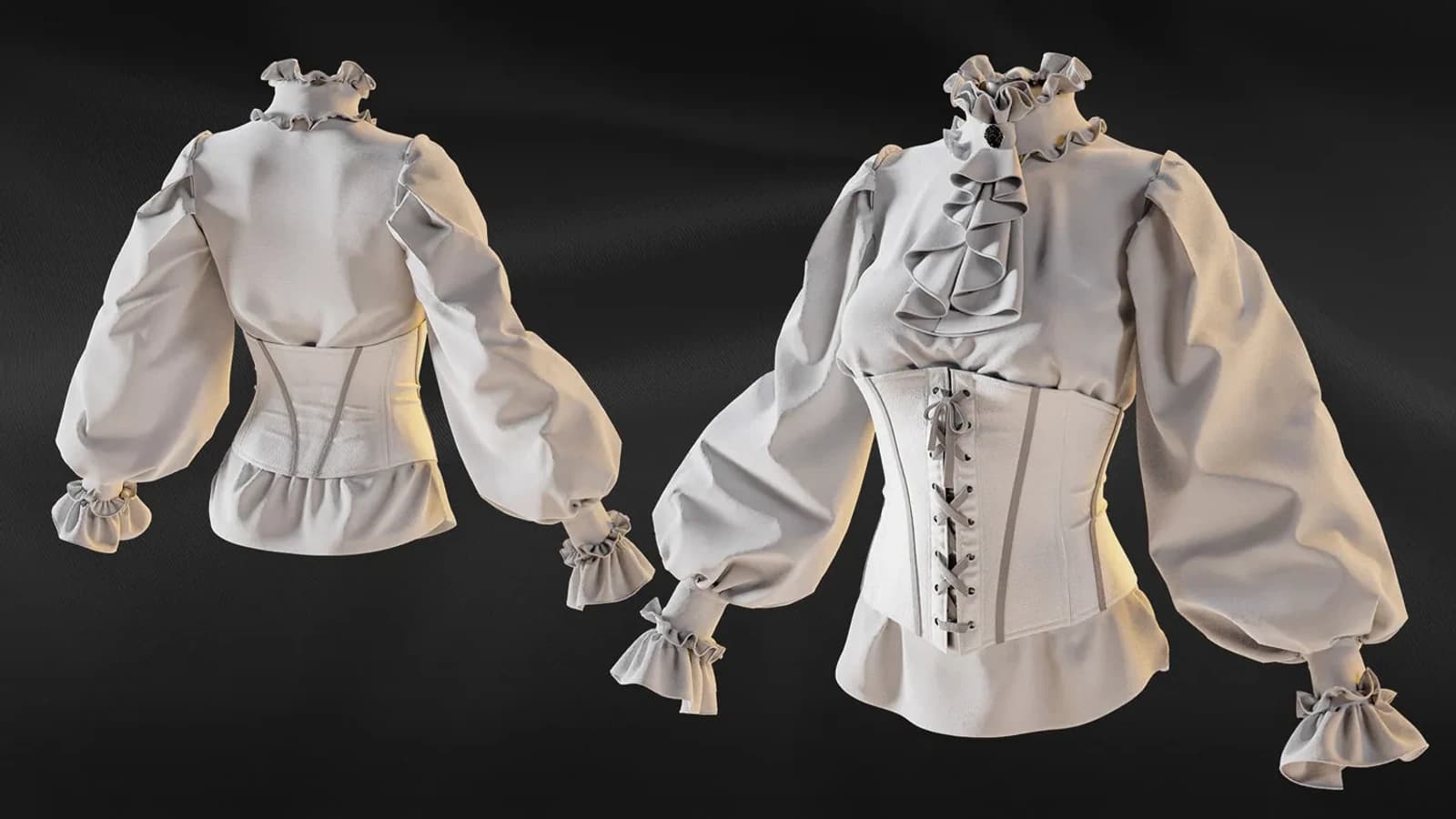
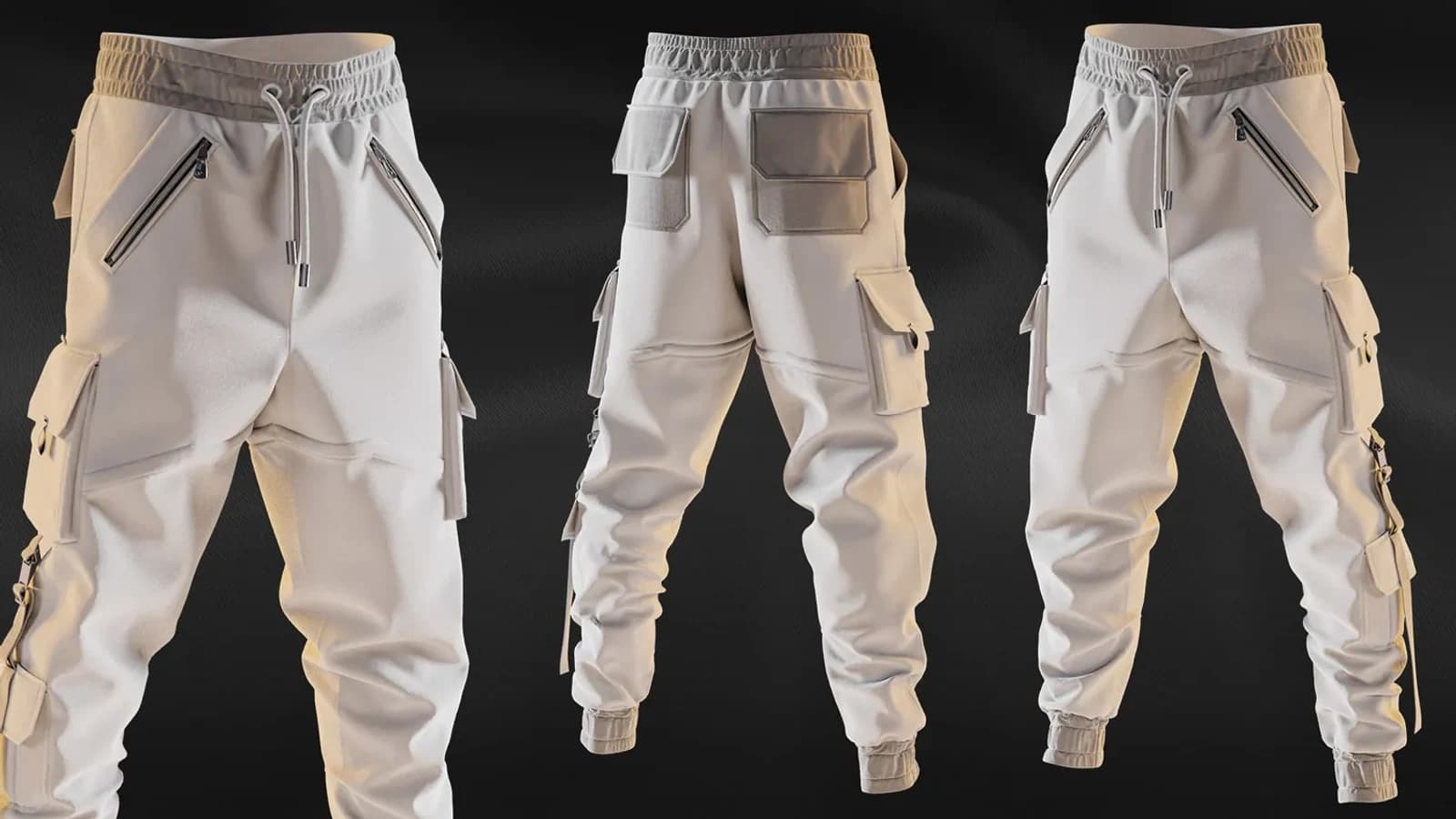
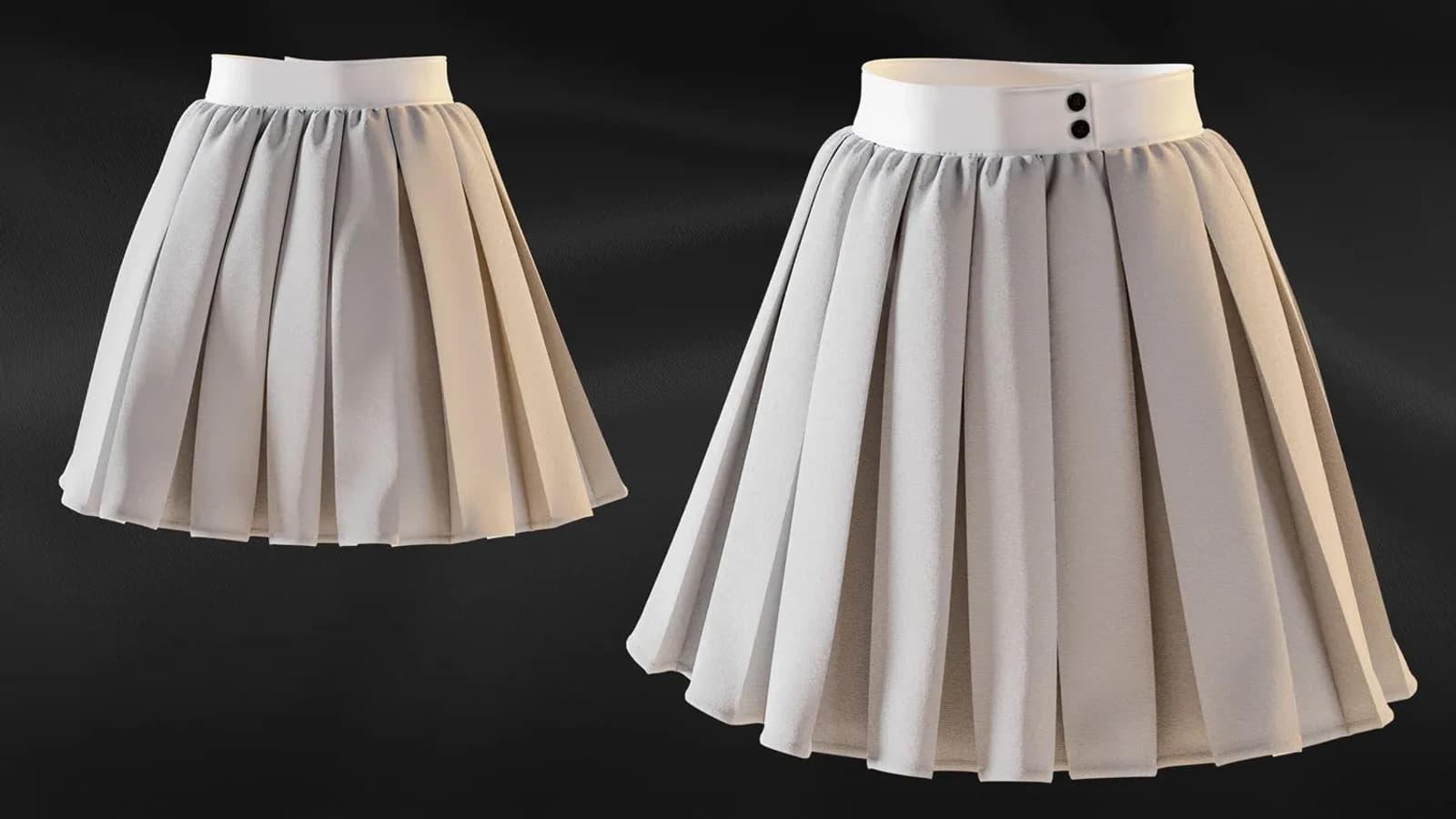
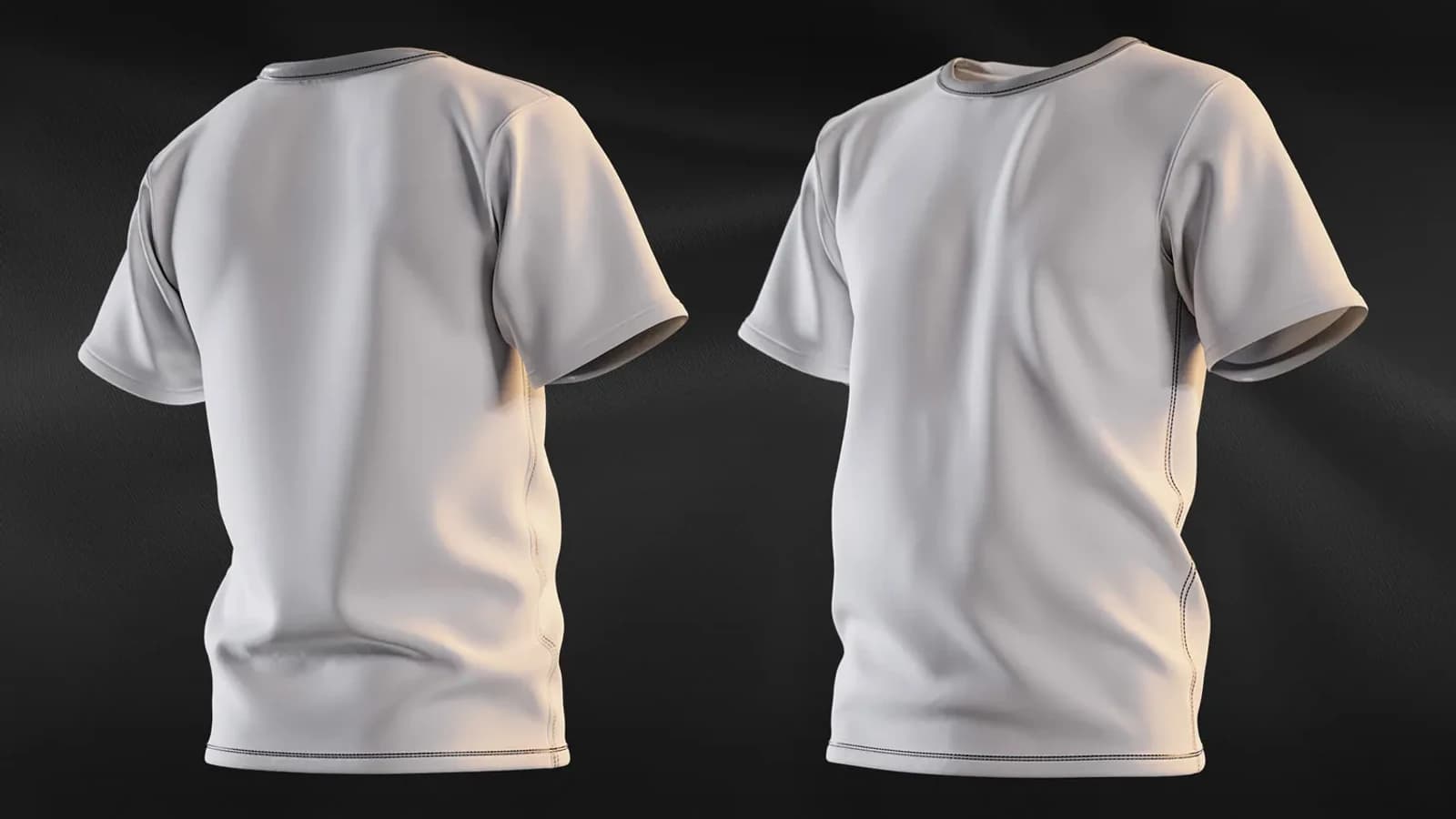
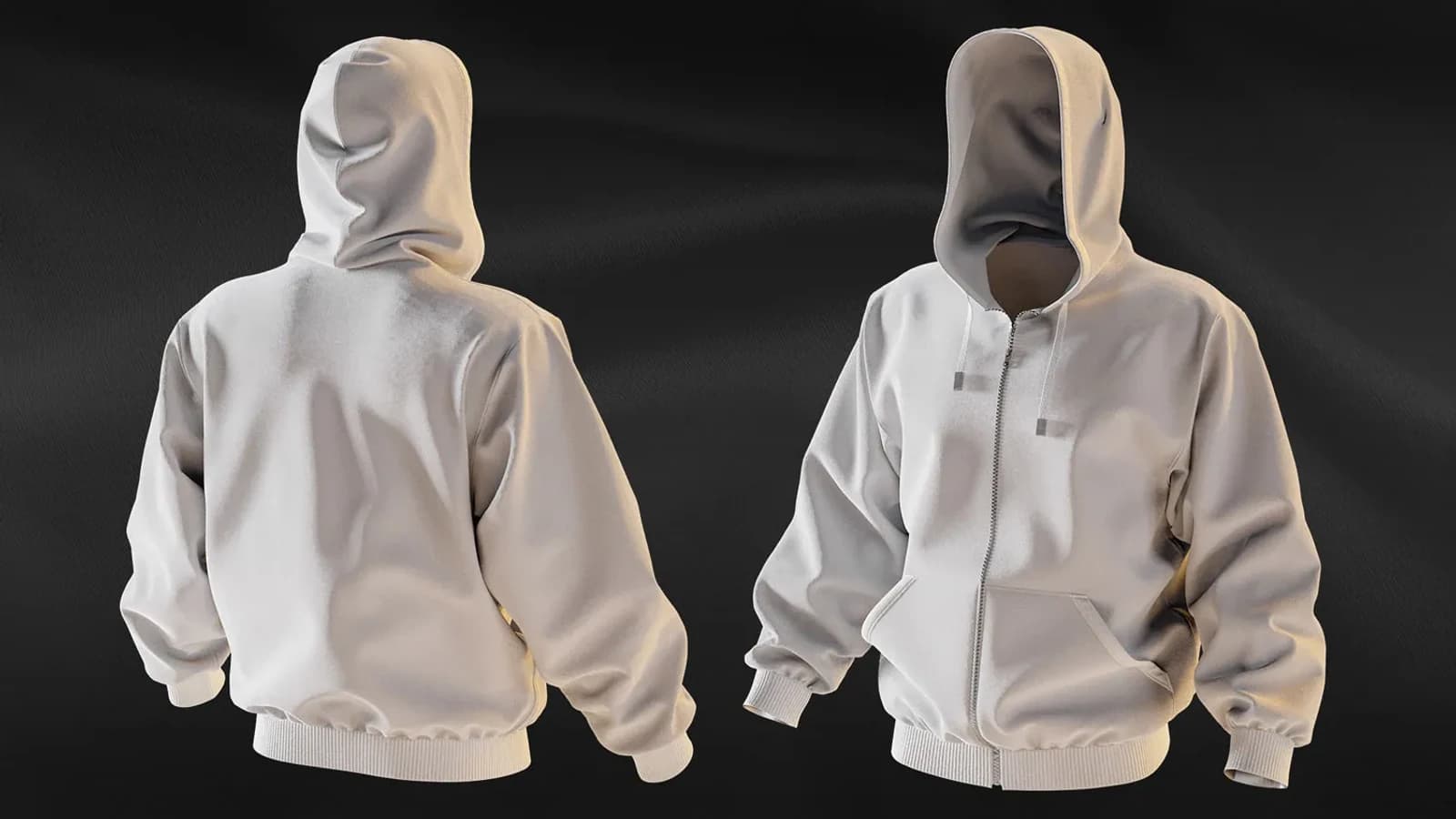
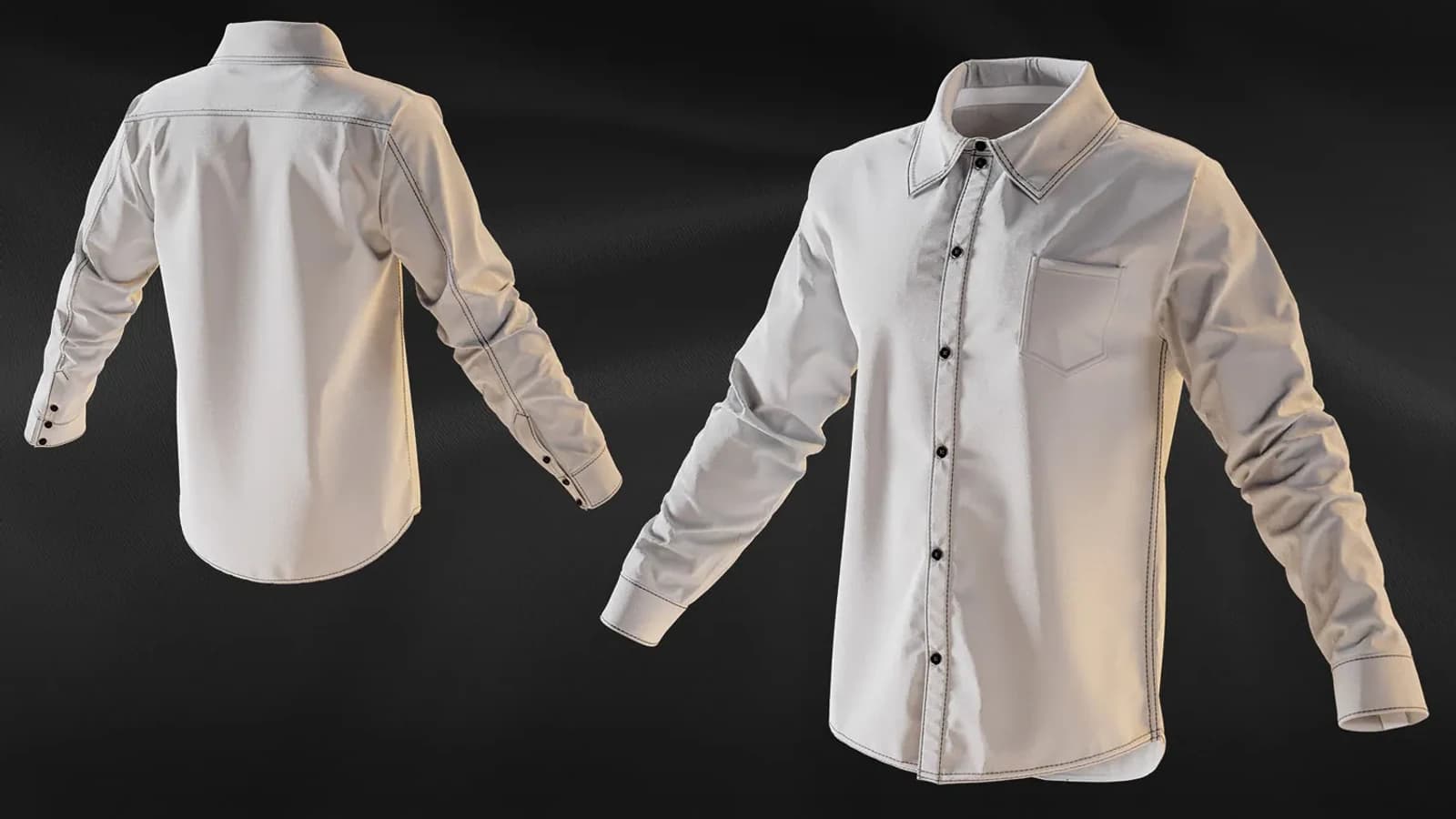
The brief was a wardrobe rather than a showreel. Eleven garments — T-shirt, jeans, shirt, zip hoodie, blazer and trousers, cargo trousers, skirt, dress, and the layered corset-and-blouse build that closes the set — had to sit on one character and look like they came out of one cupboard. That is a harder problem than it sounds: eleven garments produced independently disagree about seam allowance, about thread scale, about how much a fabric is allowed to stretch, and the disagreement is obvious the moment two of them are worn together.
So the constraint was set at the pattern, not at the render. Every piece is drafted as flat panels first, sewn in the order a machinist would sew it, and simulated only once the construction is right. A garment that fails does so because the pattern is wrong; no amount of simulation tuning rescues a yoke that was never the right shape. The stress points are sewn properly — crotch seams, pocket edges, armscye, plackets — because those are where a digital garment tears open the moment the character moves, and they are the first thing an art director pokes at.
The pipeline decision worth explaining is fabric weight. Rather than tuning each garment's physics in isolation, the collection uses one small library of presets — a light cotton, a denim, a heavier suiting wool, a technical shell — with thickness, stiffness and density fixed per preset and reused across every piece that calls for that cloth. The jeans and the cargo trousers share a denim; the blazer and its trousers share a suiting; the bomber's shell is the same technical fabric as the hoodie's outer. It costs a day up front and it is the reason the eleven pieces layer without interpenetrating and fold at the same scale.
Everything was built to be retopologised. Simulation meshes are dense and even, with no long thin triangles across a fold, so the retopology pass has something to snap to; finished garments land between roughly 12k and 30k triangles depending on how much internal structure survives, with the bomber at the top of that band because zip teeth, straps and a collar stand are real geometry. UVs are laid out panel by panel rather than by silhouette, so a texture seam always lands on a sewing seam. Texel density is held at 10.24 pixels per centimetre across the collection, which is what lets a 2K set on the T-shirt hang next to a 4K set on the corset without one of them looking soft.
What shipped: eleven simulation-ready garments with their patterns intact, retopologised real-time meshes, UV layouts and 4K PBR sets, plus the Marmoset presentation scenes. The collection became the fourteen hours and eleven projects of the Cloth Modeling Master Course.
Project gallery