Marketplace Libraries
The asset libraries behind four consecutive ArtStation Marketplace top-seller years.
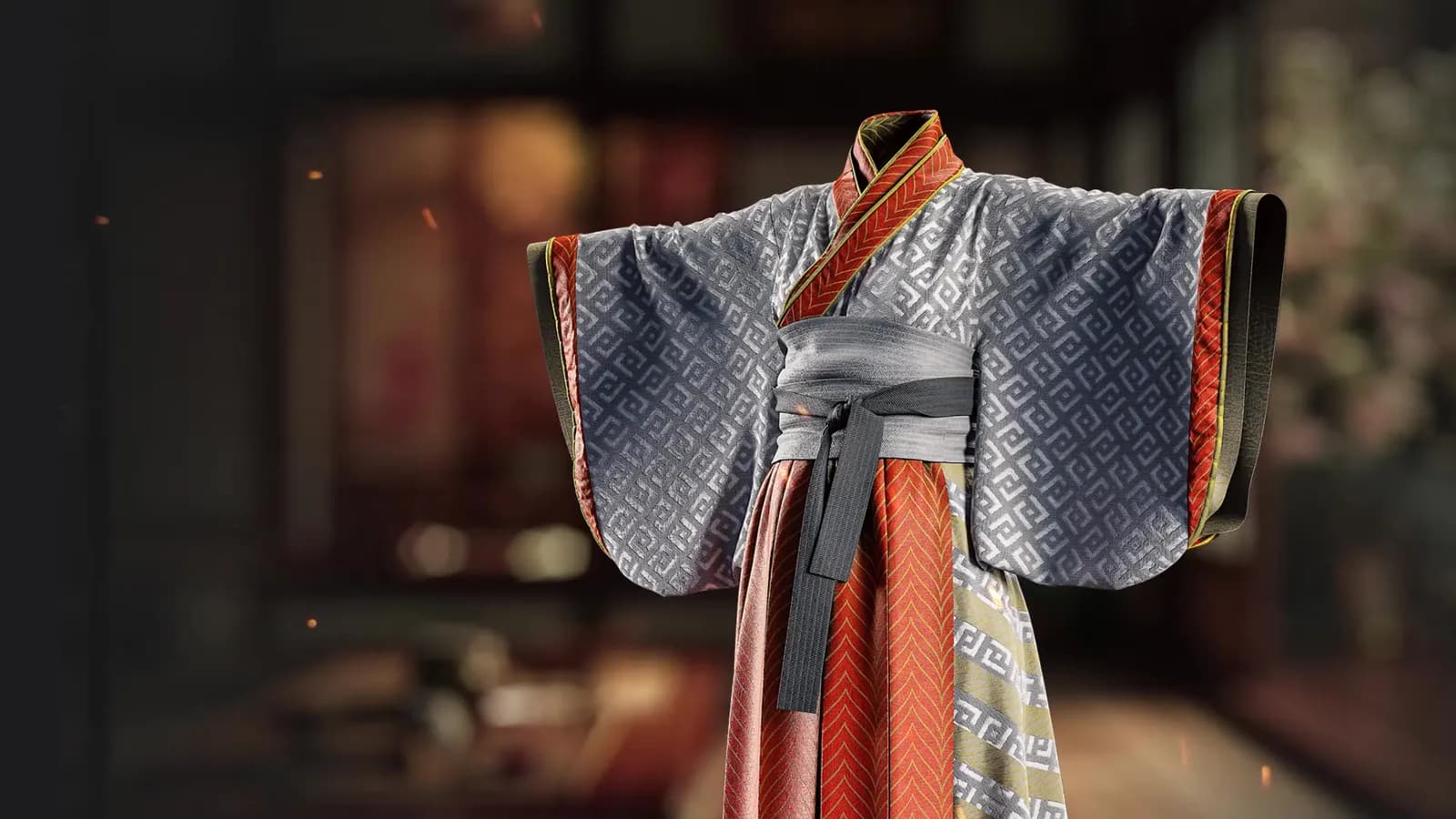
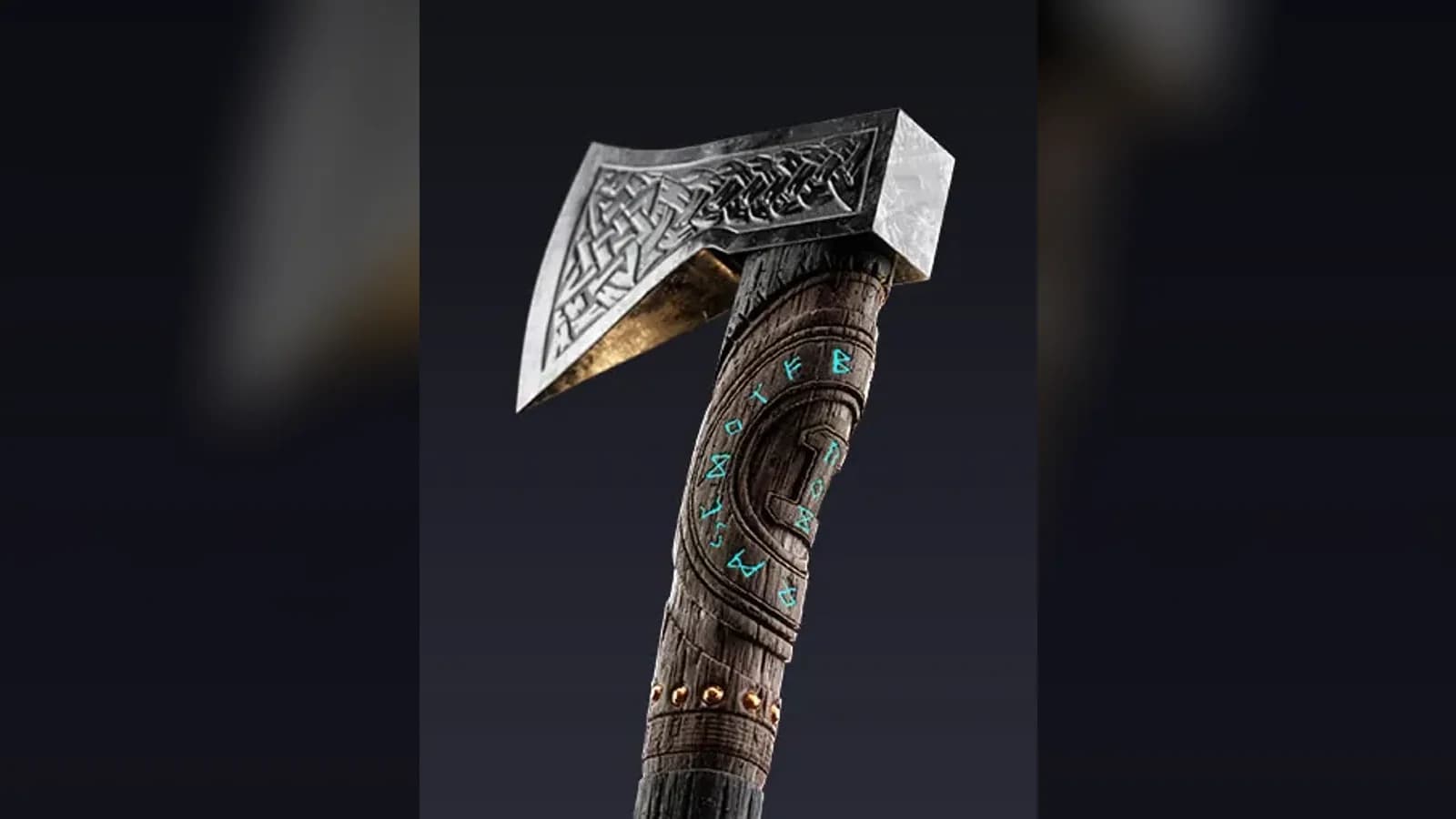
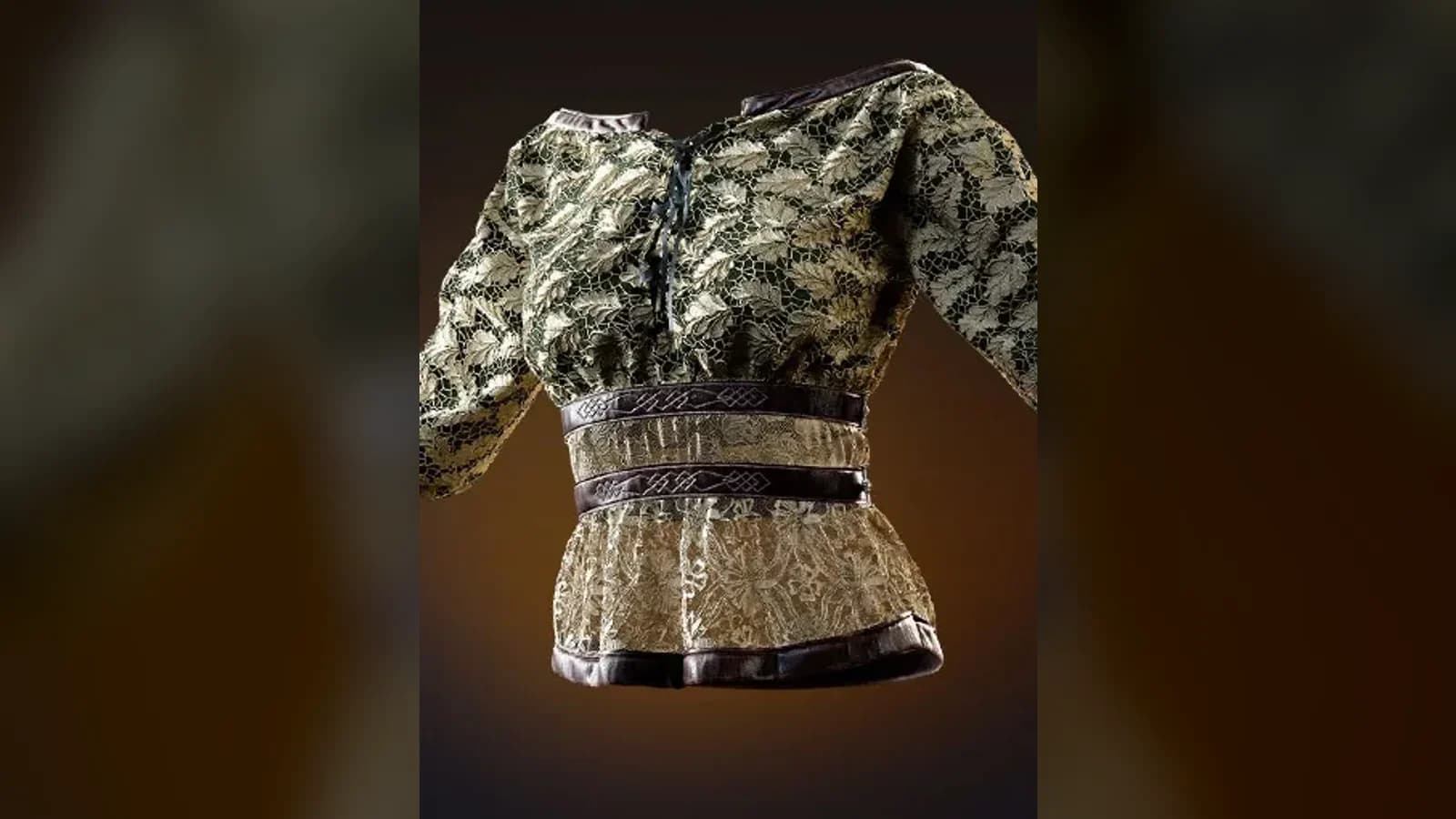
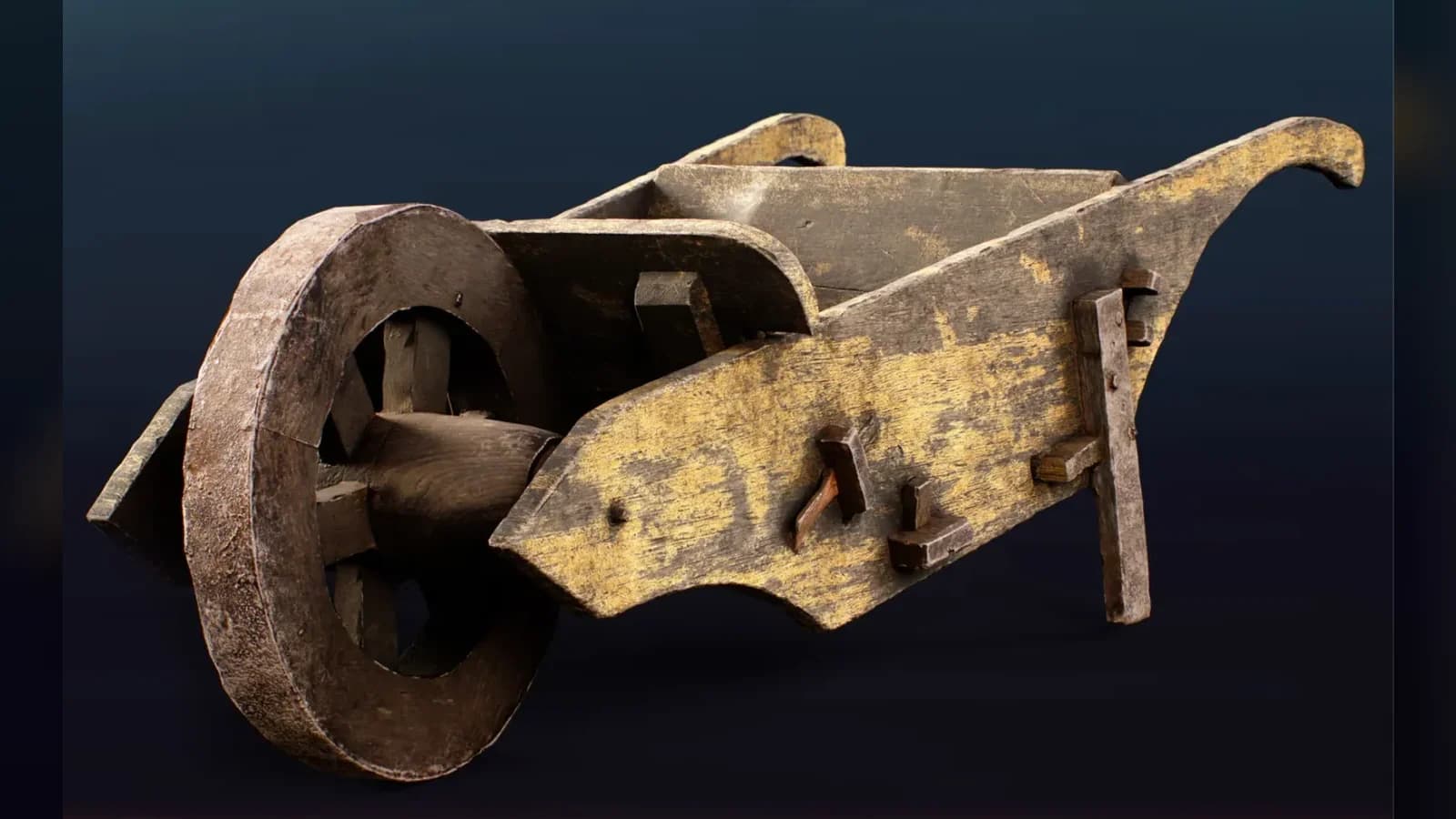
Smart materials, hard-surface alphas, tileable patterns, base mesh kits and fully textured props — produced, documented and packaged to a consistent standard across nearly two hundred releases.
The brief was set by the storefront rather than by a client, and it is a harsher brief than most client work: every release competes with everything already on the shelf, including the studio's own previous volume, and a buyer decides in about four seconds from a thumbnail. Four consecutive top-seller years on the ArtStation Marketplace came out of treating that as a production problem rather than a marketing one.
The constraint that shaped the whole library was the series. Almost nothing here is a one-off — the ornament brushes run to fourteen volumes, the hard-surface alphas to three, the smart materials across metal, leather, plastic, plaster, clay and wood. A series only works if volume eleven can sit next to volume one without either looking dated, which means the standard has to be fixed before the first release rather than discovered by the fifth. Map resolution, naming, folder layout, the render setup used for the poster and the number of preview shots are all decided once and then never renegotiated.
The pipeline decision worth explaining is that the alphas and the brushes are rendered from geometry rather than traced from photographs. A traced alpha carries the lighting of the photograph it came from, and it shows the moment it is stamped onto a surface lit differently. Everything in the alpha library is modelled, then rendered to a 16-bit height map from an orthographic camera, which is why each set can ship the source meshes alongside the alphas — the same detail is available as geometry when a normal map will not hold up, and as a stamp when it will. The same principle runs through the smart materials: they are built to be re-driven by the mesh maps of whatever they land on, not baked to one asset's curvature.
Budgets are consistent across the library. Alphas and tileable patterns are 4K, 16 bit for height and seamless in both axes. Base mesh kits are quad-dominant and clean enough to subdivide or to decimate, sitting between roughly 2k and 20k triangles per item depending on the subject, with the print-ready sets watertight. Fully textured props carry a 4K PBR set at 10.24 pixels per centimetre, the same density as the studio's course work, so an asset bought here drops into a scene built from the courses without a resolution mismatch.
What shipped, over four years: nearly two hundred releases across smart materials, textures and patterns, alphas and brushes, base meshes and game-ready assets — every one of them packaged with its formats stated, its preview renders shot on the same rig, and its volume number where it belongs in the series.
Project gallery